
About The Bus
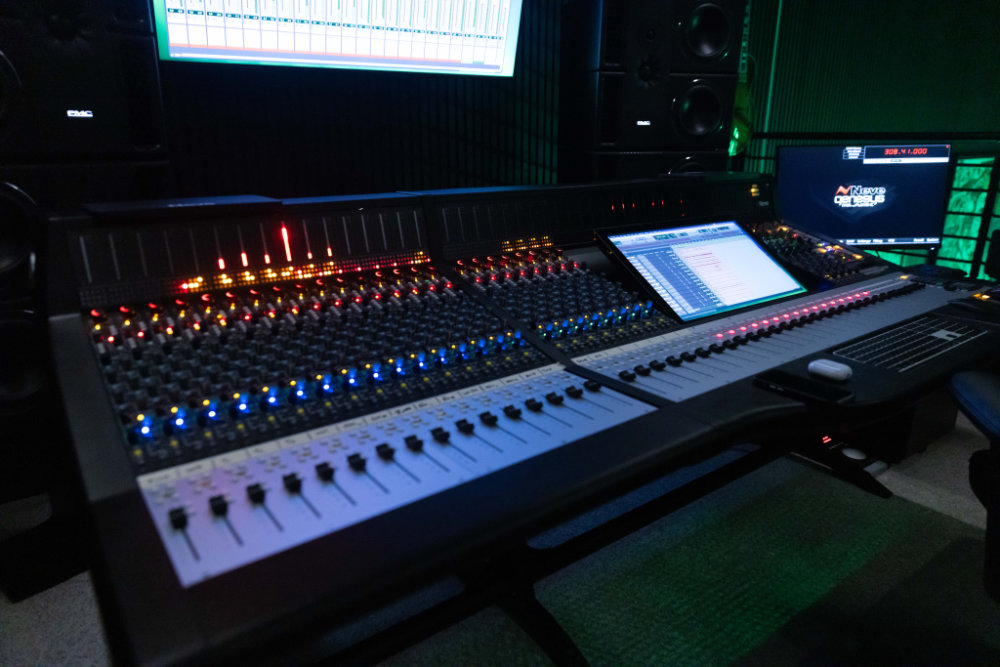
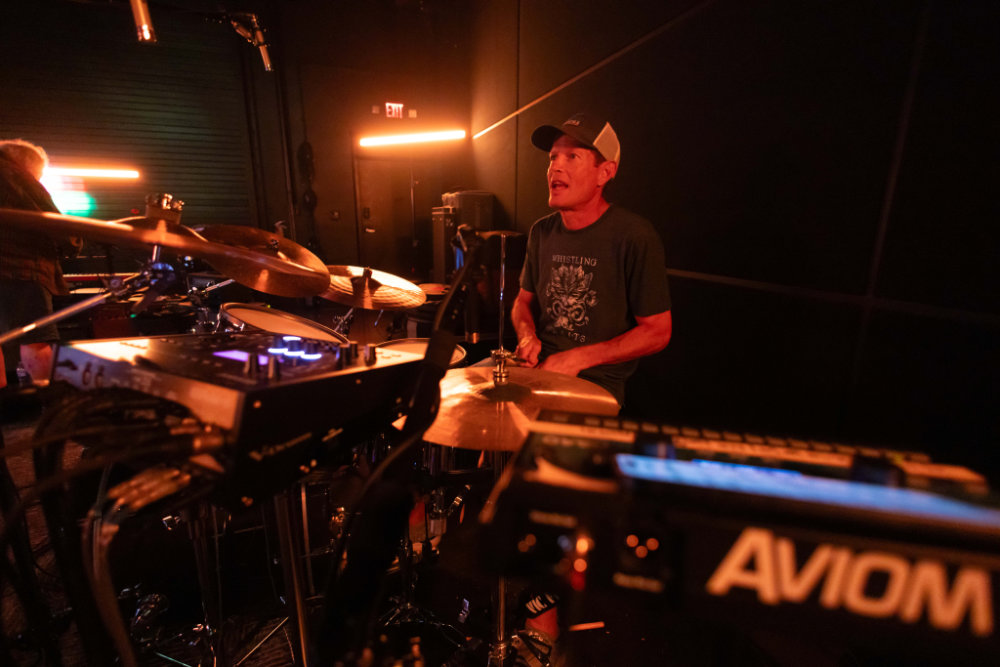
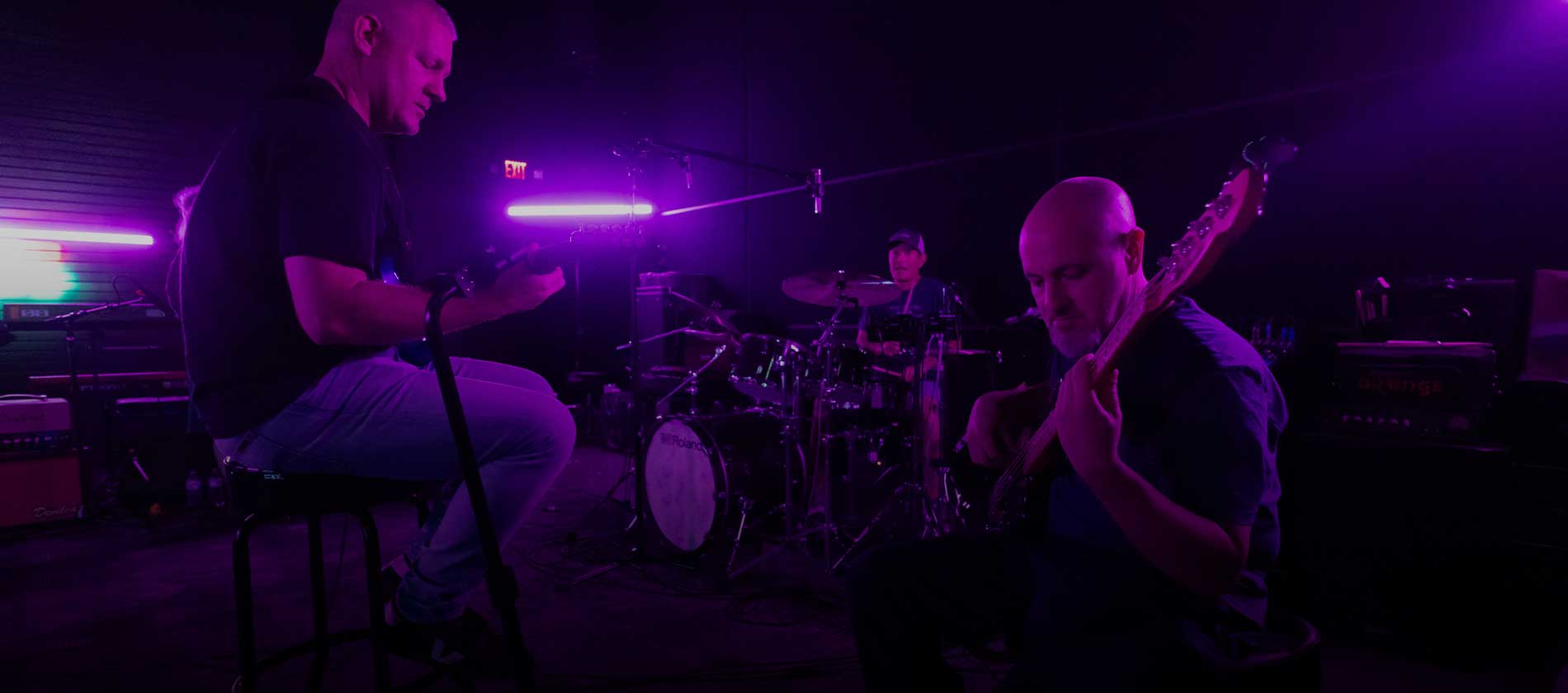
Struggle Bus Project runs on love. A fellowship of core team members joined by a revolving ensemble of up to 19 contributors, the Struggle Bus Project is a sonic platform for belonging, recognition, and realization. Forged through the unlikeliest of circumstances, its music-making is as much about invoking spiritual communion as salving the soul. The Bus performs original tracks, select covers, and spiraling, free-form improvisations that incorporate influences from rock, blues, and jazz. Lulu Studio in West Palm Beach, Florida, is a temple of sound and possibility where you will find the Struggle Bus Project between shows. This state-of-the-art, custom-designed recording studio provides an environment conducive to creativity and collaboration, and the technical framework to capture lightning in a bottle.

Contributors
-
Hiliary Bassett
Sound has always been a complex part of my world. As a person with autism, I experience sound differently — it can be intense, layered, and sometimes overwhelming. But music has always…
-
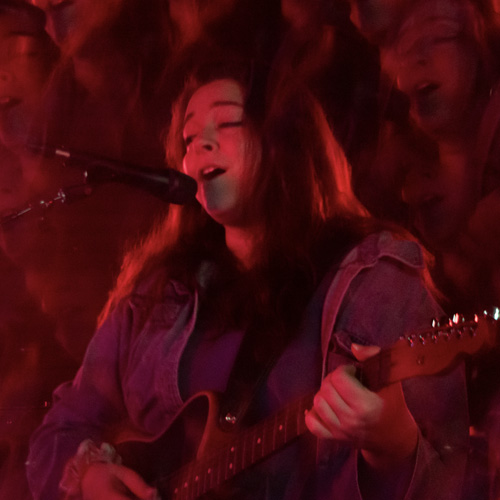
KC Beauregard
KC Beauregard is a vocalist and guitarist for The Struggle Bus. With a deep passion for using music to bring people together, KC believes in the power of shared art to build…
-
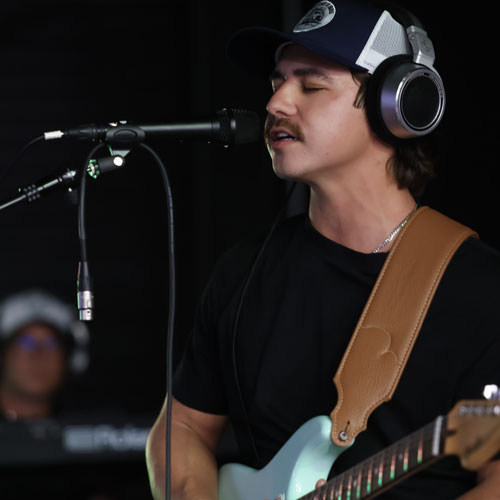
William Rolando Castillo
If you follow the same trail of a successful person, you will find the terrain is not as easy as it seemed. Currently I am on my own trail, to my own success.…
-
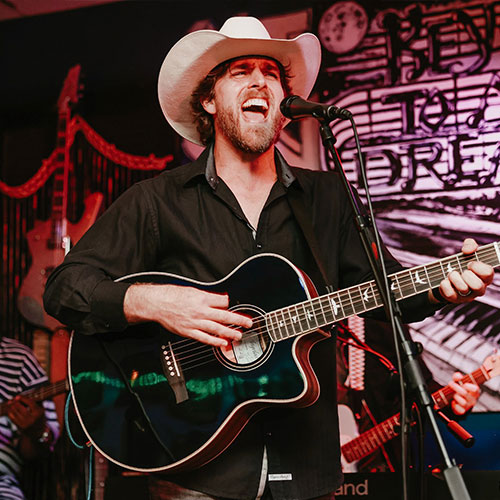
Adam Christoferson
Adam Christoferson is a Connecticut-based singer-songwriter whose music is rooted in resilience, hope, and the belief that every person’s story deserves to be heard. Drawing from a childhood marked by foster care, family mental…
-
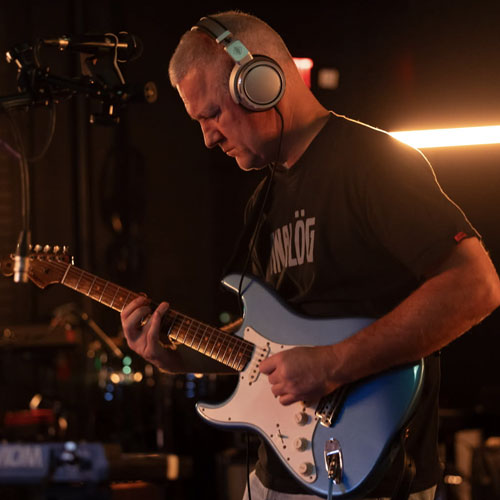
David Doheny
Musician, enthusiast, and lifelong passenger on the Struggle Bus, I’m a self-taught lefty who learned to play on a right-handed guitar in my twenties. Why do I play? Simple: music is life.…
-
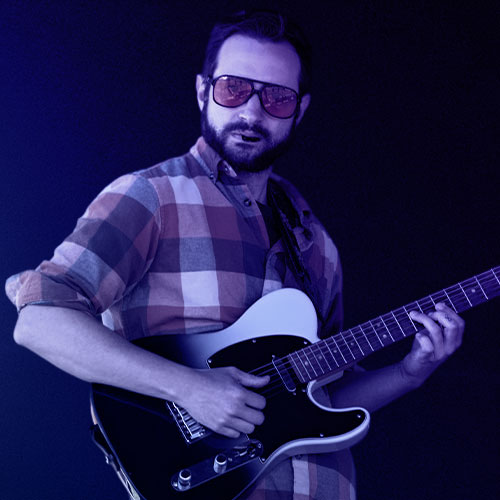
Zach Fields
Zach Fields is a guitarist, singer-songwriter, producer, and multi-instrumentalist with over 15 years of experience performing and writing music. As a singer-songwriter, Zach has performed extensively as both a solo artist and…
-
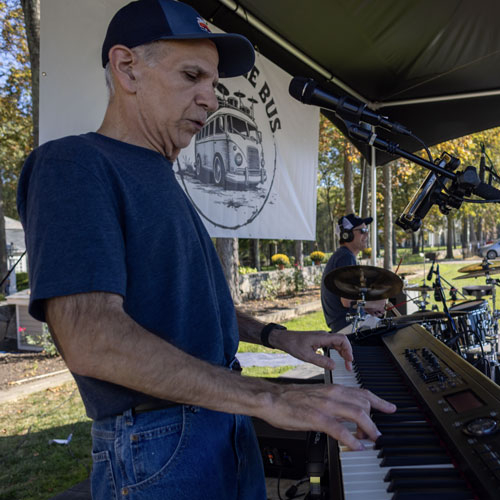
Frank Viel Jr. “Franky Fingers”
Husband, Father, and Weekend warrior… “I can say for a fact that music chose to infect me at an early age. The infection spread to my church where I discovered a piano in…
-
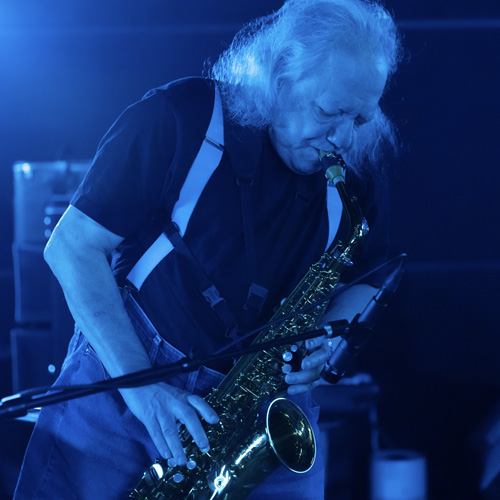
Andy Jarcho
“Hello, World! I’m Andy; I play sax. I was born and raised in New York City. I dropped out of Harvard after six weeks to play music for a living. Since playing…
-
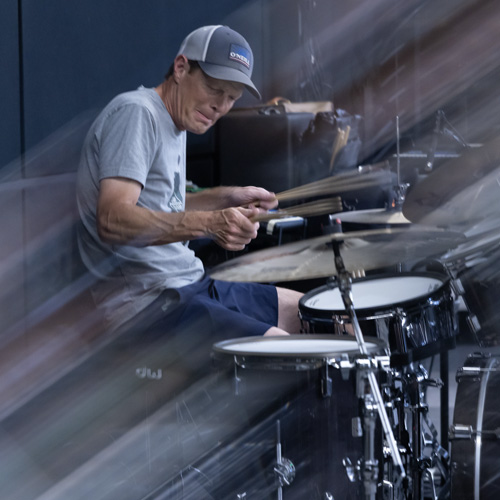
David Vieau
For as long as I can remember, music has been at the center of my life. In my teens and twenties, I spent countless nights following bands like the Grateful Dead, drawn…
-
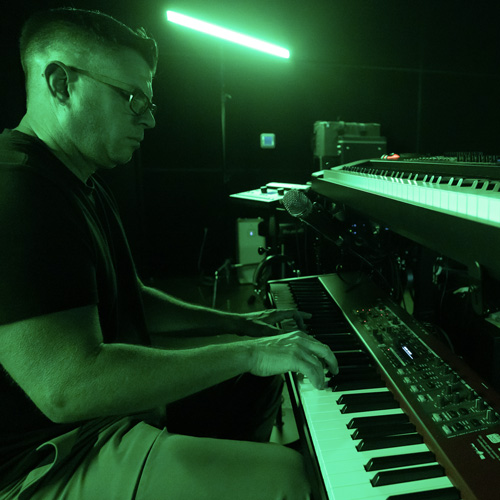
Benjamin Warren
“Original Music … creates a band’s sonic identity and, through its curation and design, we develop an even deeper connection – memorable sonic footprints.” A lover of film music and influenced heavily…
-
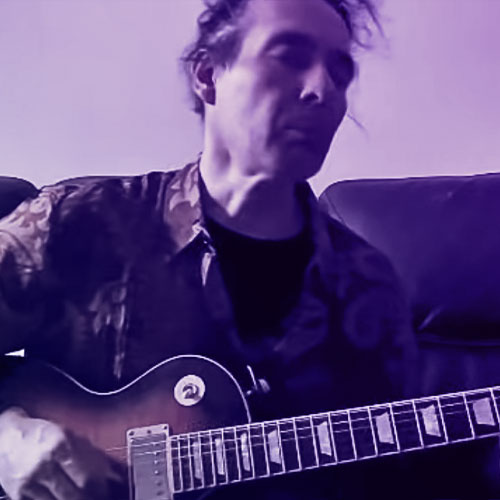
Pablo X
Pablo X is the brainchild of New Haven based guitarist and songwriter Paul de la Reza. Pablo X filters a love of everything from The Beatles to Jane’s Addiction through the unexpected…
Deep Roots
In the early 2000s, Struggle Bus Project founder David Vieau made a discovery that would transform his life and the lives of thousands of other young people and families. After enduring decades of profound dis-ease, dysphoria, addiction, and trauma, Vieau found solace and a way forward in informal drum circles and impromptu jam sessions. Through music, Vieau found a refuge from the incessant need to use substances to soothe the pain of a life in ruins. Music was a safe salve for a tired soul, providing the purchase with which to build life anew. After achieving a hard-fought recovery, Vieau created a space where other young adults experiencing the anguish of mental illness, substance abuse, isolation, neglect, and aimlessness could come to heal, belong, and begin again.
In a modest house on a quiet Connecticut street, Vieau and the young people who joined him experienced safety, understanding, connection, and hope — many for the first time in their lives. Drum circles and jam sessions were central parts of their practice. For hours, people with every level of musical ability played together without expectations, without judgment, and without fear, until they became one. Through mutual support, guidance, and music, people would suddenly realize that hours, days, weeks, and months had passed since feeling the need to use substances to feel normal.
As more young people regained health, hope, and happiness, what began as a simple sober home would grow into America’s pre-eminent adolescent and young adult behavioral health care center of excellence. Today, Turnbridge is among the most sophisticated specialized treatment providers in the nation, a Yale School of Medicine training site, home to over 500 expert caregivers, and the choice of referring professionals and parents nationwide.
Music therapy continues to play a role at Turnbridge, alongside countless evidence-based therapies and treatment innovations. While not on the road, the Struggle Bus Project is parked at Lulu Studio, in West Palm Beach, Florida. This bespoke recording studio is engineered to exacting standards and offers the space, sound isolation, acoustical performance, and technology to produce the highest quality professional recordings.
The bus is about to get deep…
The reason we make music is as important as our sound.
At heart, the Struggle Bus Project is part of a lifelong journey toward peace, meaning, and connection. Just as music can be a conduit to elation and communion, its pursuit can serve as an allegory of the trials and tribulations of our lifelong quest for respite, release, and redemption. We welcome and honor all collaborators who contribute to The Struggle Bus Project because we know that for many, the only means of finding meaning in life is by sharing one’s gifts.
The Gift…
All people are imbued with divine gifts of endless dimensions — ones that must be recognized, nurtured, and pursued to afford a sense of true fulfillment. Fading are the days when all manner of art, craft, and discovery were prized as the highest attainments of human potential. Whether due to highly prescribed childhoods, the challenges of meeting basic needs, or technological nihilism, pursuing one’s gifts in today’s world is increasingly difficult. Much of the angst fueling today’s mental health epidemic is likely rooted in a culture that makes it seem irresponsible to follow one’s heart.
Those who overcome the world, through time, tutelage, practice, and retrospection, discover the true nature of their gift. They learn that the value of their gift is not in its process nor its work product (the sonata, artwork, or poem). Instead, our gifts are vehicles through which others may experience the divine, and they are bestowed upon us not to glorify ourselves, but to free others. A gift’s highest purpose is not to adorn the human experience, but to pierce it — to cause the momentary decoupling of our physical and spiritual duality. The terror of learning the power, purpose, and potential of our gifts contorts our perception of them into a curse. Realizing that one is imbued with the God-given ability to help others transcend transforms the gift from an opportunity for the self into a responsibility to others and forces a binary fate — to honor or squander what the universe has granted us.
The Weight…
There is, perhaps, no more relevant encapsulation of the ‘weight of the gift’ than Eric Clapton’s remembrance of Stevie Ray Vaughan.
Continue Reading
“And I suddenly got this flash that I’d experienced before so many times whenever I’d seen him play, which was that he was like a channel. One of the purest channels I’ve ever seen, where everything he sang and played flowed straight down from heaven… And I had to leave just to preserve some kind of sanity or confidence in myself.” — Eric Clapton
Clapton’s framing of the gift’s nature is strikingly insightful — “like a channel… where everything he played flowed straight down from heaven.” The fullest expression and purpose of a gifted human are not their final products but their ability to serve as conduits. Whereas we ‘appreciate’ art, we are ‘moved’ by artists. The euphoria we experience when we are moved by any human craft is the recognition that its maker has transcended their human station to attain a higher one, becoming an ‘open channel’ between human and divine. When we behold The David, a Caravaggio, or our favorite version of Althea, we are transfixed by the material, but transformed by the artist’s ascendance to the highest order of human capacity — we are witnessing evidence of the inhuman. The most enthralling aspect of a live musical performance is not the music itself, which is often beautifully imperfect and obscured by the noise of the crowd, but the moments during which the artist is completely subsumed by The Spirit.
Clapton reveals more by calling Vaughan “One of the purest channels I’ve ever seen.” The history of human achievement teaches us that the greatest purifier of the human channel is pain. Stevie Ray, like countless artists before him, gave his entire being to his work, lived the pain of family system dysfunction, divorce, addiction, and isolation until achieving recovery shortly before his premature death. Purifying the channel often requires prioritizing the fraught and unknowable artistic journey over the expectations of family, society, and self. What Clapton saw in Vaughan — and feared — was a person more willing to surrender themselves fully to the Will of God. So cowed was Clapton that he admits, “I had to leave just to preserve some kind of sanity or confidence in myself.” This exceedingly human admission illustrates the lesson that the fear of not living up to one’s potential overcomes one’s perception of their accomplishments and is insurmountable. The true burden of the gift is not the fear of failing to utilize one’s talents, but failing God. It is SRV’s absolute surrender to his art and his willingness to endure profound pain to live his music completely that Clapton recognizes as the pathway to purifying the channel. Slowhand admits that he was overcome by an existential threat to his sense of self when confronted by an individual whom he believed had given more and come closer to honoring the gift. It is SRV’s ability to fully and completely embrace his gift that allows Clapton and all people to be moved by it — not the notes, nor the voice, but his willingness to sacrifice himself to become a spiritual conduit for others.
The weight of the gift is the knowledge that every waking moment not spent striving to perfect and share it is time spent squandering our responsibility to God and man. The inability to share one’s talent denies the world a channel of transcendence — a pathway to the divine.
“Consider it pure joy, my brothers and sisters, whenever you face trials of many kinds, because you know that the testing of your faith produces perseverance.” — James 1:2–3
The weight of the gift is an allegory applicable to all of life’s challenges and our fundamental human choice — whether to risk the pains of originality and defiance to follow the Spirit or to conform to the Will of Man. Our primary challenge is deciding whether to live authentically according to the heart or inauthentically as prescribed by others. While walking the path of an authentic life may be arduous, reaching the destination of an artificial one is terrifying. The recognition of the need to lead an authentic existence and experience spiritual union is the Common Pursuit of all human beings and healing disciplines, whether the modality is psychotherapy or music.
The Balm…
Fellowship is the balm that eases the weight of the gift. Finding and relating with fellow travelers who share one’s gift and know the burden of its yoke produces clarity, recognition, and fulfillment. Fellow artists are uniquely qualified to provide advice, critique, support, recognition, and solace. They are a source of truth, often helping us understand our true value and that the act of striving toward our best is a worthy endeavor. Fellowship serves another purpose — attracting those moved by our gifts. Oftentimes, only a similarly gifted person can recognize the nuances in the gifts of another and be moved by it.
The Temple…
In the early 2000s, Struggle Bus Project founder David Vieau made a discovery that would transform his life and the lives of thousands of other young people and families. After enduring decades of profound dis-ease, dysphoria, addiction, and trauma, Vieau found solace and a way forward in informal drum circles and impromptu jam sessions. Through music, Vieau found a refuge from the incessant need to use substances to soothe the pain of a life in ruins. Music was a safe salve for a tired soul, providing the purchase with which to build life anew. After achieving a hard-fought recovery, Vieau created a space where other young adults experiencing the anguish of mental illness, substance abuse, isolation, neglect, and aimlessness could come to heal, belong, and begin again.
Lulu Studio
While not on the road, the Struggle Bus Project is parked at Lulu Studio, in West Palm Beach, Florida. This bespoke recording studio is engineered to exacting standards and offers the space, sound isolation, acoustical performance, and technology to produce the highest quality professional recordings.